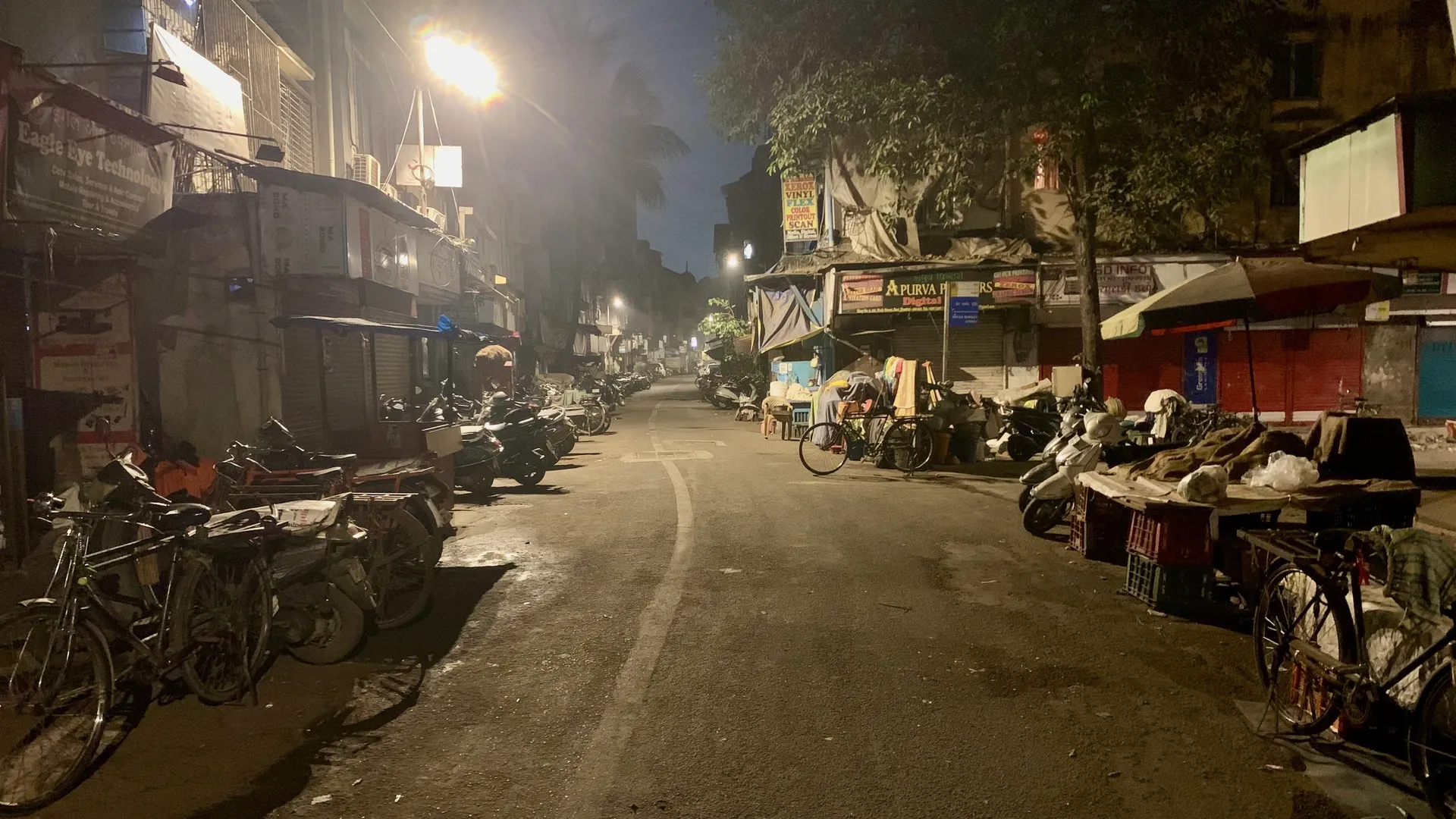
Red Light Areas in Mumbai:All 20 Names, Locations & What's Still Open in 2026
Kamathipura after the raids, the Grant Road belt, and the fourteen suburban zones nobody maps properly — with stations, status, and the numbers everyone else gets wrong.
The most searched red-light address in India is a neighbourhood that is quietly being erased. Walk out of Grant Road station's east exit toward Bellasis Road and you reach Kamathipura's lanes in ten minutes — and in 2026, most of them are sealed. Police locked the brothels last June. The builders were already waiting. Every guide still describing "Asia's largest red light district" is describing a place that no longer exists.
This is the current map — all twenty zones across Mumbai and its extended belt, what each one actually is, which station gets you there, what's still running, and what it costs in money and in risk. No recycled 2005 data, no borrowed Wikipedia paragraphs. Sources at the bottom.
Every red light area in Mumbai — the complete 2026 list
Twenty zones, three rings. "Status" is what our July 2026 check says — not what a 2015 listicle remembers.
Every red light zone in Mumbai, mapped and status-checked
"Shifted model" = the street/brothel format is gone, replaced by spa-parlour and apartment operations. Statuses compiled from 2025–26 reporting cited in the Sources section.
Kamathipura — the 230-year-old district that is disappearing
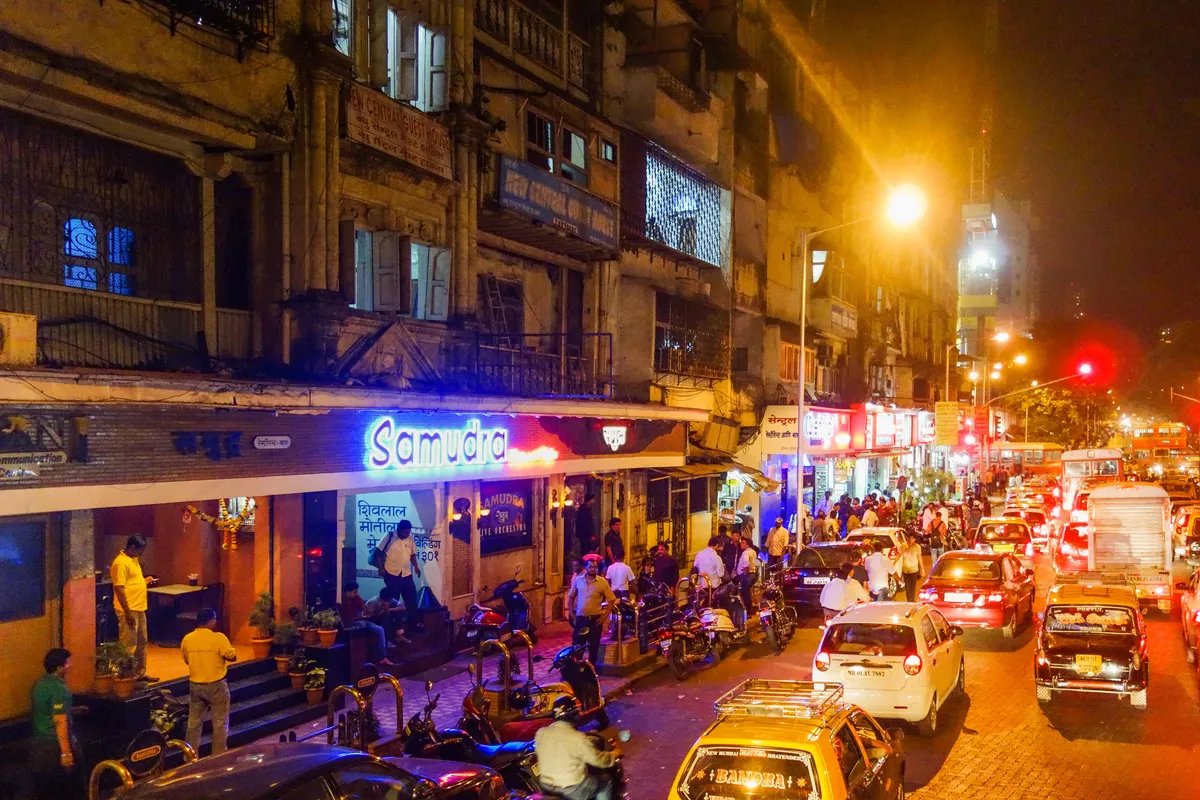
The Kamathipura red light area is the address every search for this topic eventually reaches, so start with the fact most websites get wrong: Kamathipura is not from "the 1880s." The settlement dates to 1795, built by Telugu construction workers — the Kamathis — who gave the place its name. Under the British it became the garrison's regulated pleasure quarter, called Lal Bazar. Fourteen numbered lanes between Grant Road and Mumbai Central, roughly forty acres, pincode 400008. For most of the twentieth century it was one of Asia's largest red-light districts, and at its 1992 peak an estimated 45,000 women worked its lanes.
Today? Barely twelve hundred.
Kamathipura's working population — 1992 to 2025
*Local survey count reported in 2025 reporting, before the June raids. Figures from the sources listed at the end — the AIDS crisis, NGO relocations and builder buyouts each took their share.
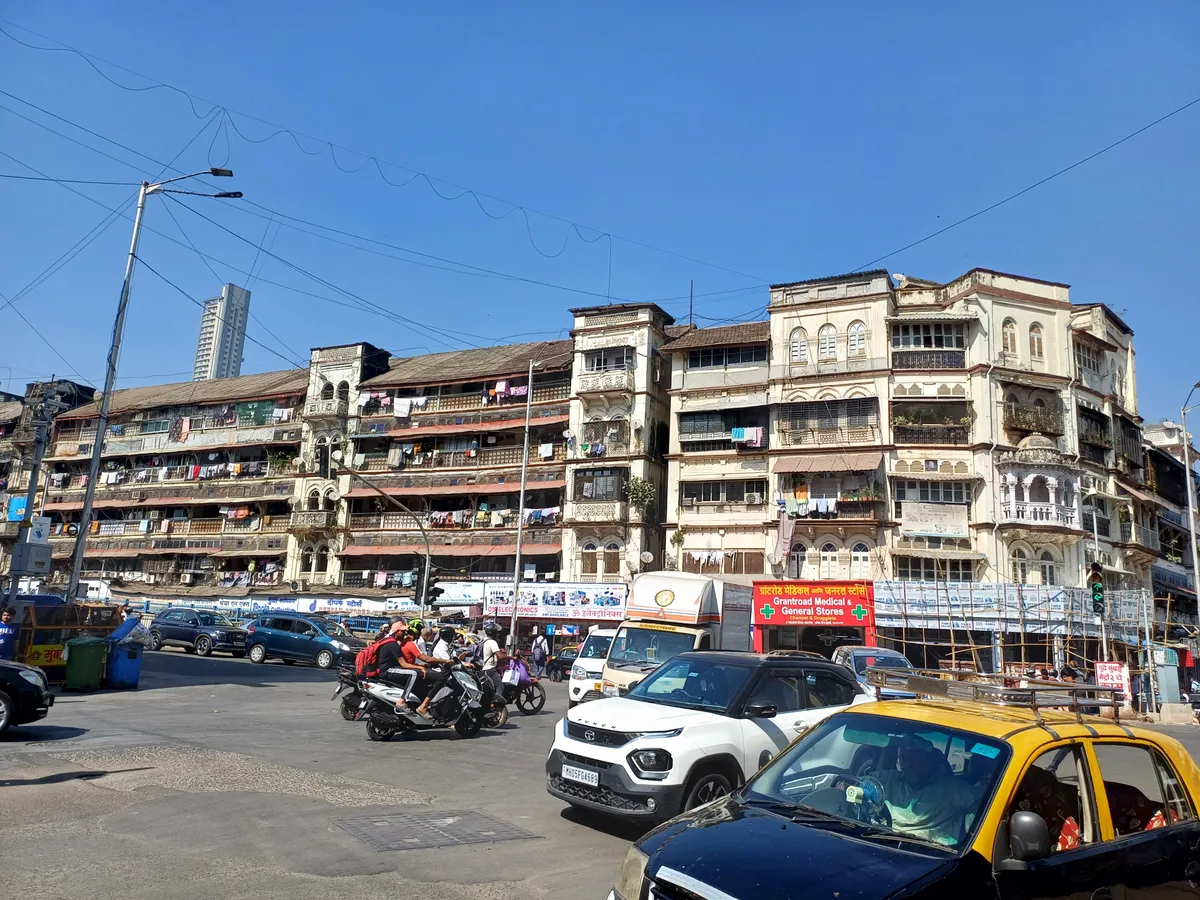
Then came June 20, 2025. Mumbai Police raided the lanes, "rescued" 44 women and sent them to Navjeevan Sudhar Grih, the correction home in Deonar. Brothels in the Dinesh and Rele buildings were sealed, and within a month effectively every brothel in the district was shut. Activist groups Asha Darpan and Astha Parivar count nearly 3,000 workers affected. On July 16, around 500 women marched at Azad Maidan with a blunt allegation: the raids aren't about rescue — they're about emptying the lanes for the redevelopment. The women hold no property papers, so when the towers rise, they get nothing.
Walk through now and you'll see what's replacing it: a cloth market, scrap dealers, families in renovated chawls, two builders' hoardings for every open door. After 9pm a few lanes still flicker on. It is nothing like the photographs that made the district infamous — and if the redevelopment holds schedule, even this remnant is gone within a few years. If you want the fuller story of what happens to the women, that's in the reality section below.
The Grant Road belt — Falkland Road, Shuklaji Street, Pila House, Foras Road
Kamathipura gets the headlines, but the district's spine was always the belt just east of Grant Road station. Falkland Road — officially Patthe Bapurao Marg — is the street the world's photographers made infamous for its "cages": ground-floor rooms with barred fronts where women sat on display. Most cages are gone; a shrinking stretch still works after dark near the old Alfred Cinema.
Pila House is a corruption of "Play House" — this was Bombay's theatre district in the 1880s, and when cinema killed the theatres, the buildings found older trades. Shuklaji Street connects it all, historically home to the trade's Nepali quarter. Foras Road was the mujra street — dance first, negotiation after, beer bars filling the gaps. And locals call the pocket right by the station Jamuna Mandi — a name you will not find in a single ranking article about this area. The whole belt shares Kamathipura's trajectory: shrinking yearly, propped up by inertia, waiting for the same builders.
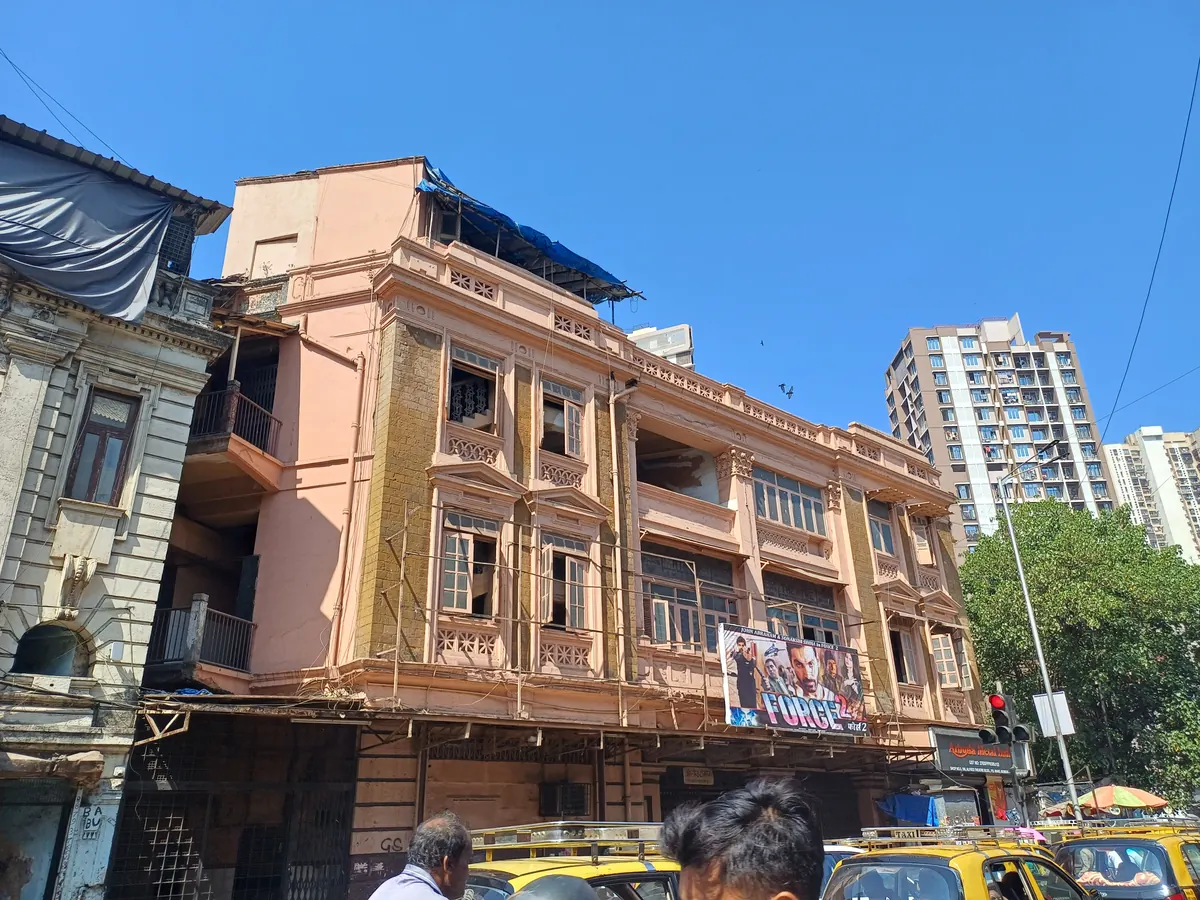
Congress House — the mujra quarter with a freedom-struggle address
The strangest entry on this list. Congress House, in a bylane off Lamington Road near Grant Road police station, was the Indian National Congress's Bombay headquarters until 1969 — Salt Satyagraha meetings happened here. The enclave around it became the city's mujra quarter: tawaifs, classical musicians, and through the 1980s a clientele of politicians and dons. What survives is a semi-active remnant — some music, some negotiation, mostly memory.
One thing worth saying plainly, because thousands of people search it: there is no "Congress House girl contact number." Numbers sold online under that phrase are scams — the same advance-payment trap we documented in our anti-scam guide. The mujra houses never worked by WhatsApp, and the people pretending otherwise want your UPI, not your company.
The suburban pockets — Andheri to Mulund
The suburbs never had districts — they have pockets, and each works differently. Eight that account for nearly every "red light area near me" search inside city limits:
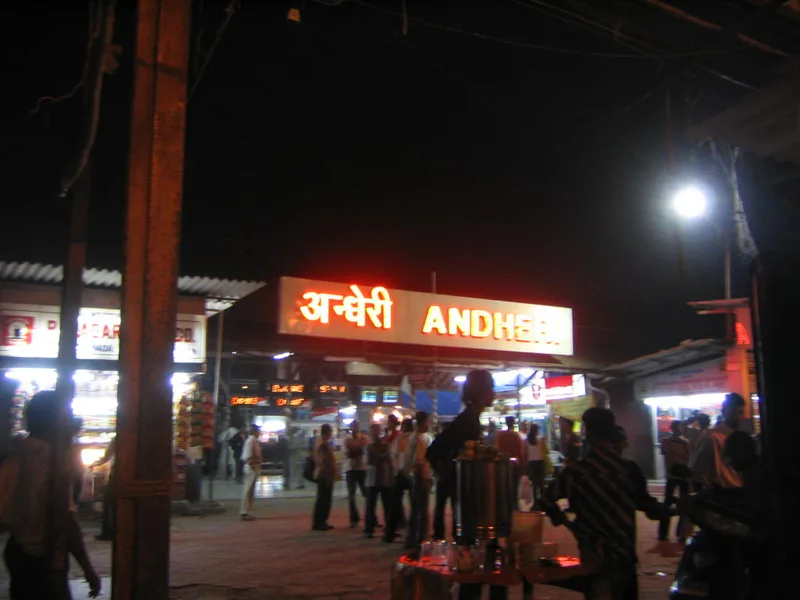 Shifted model
Andheri
No street lanes here — Andheri's scene runs through massage parlours and "spas" scattered off Link Road and near Marol. It's the modern format: WhatsApp numbers, AC rooms, raids every few months, reopened doors two weeks later.
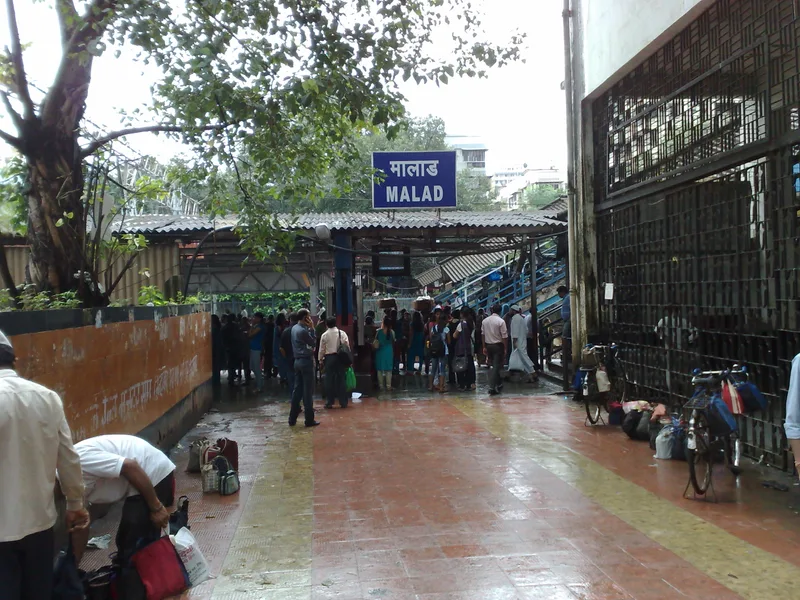 Active
Malad
Hourly lodges near the station belt — investigations counted roughly 400 women working here in the mid-2010s. Low-profile, cash-first, and one of the few western-suburb pockets that never fully shut.
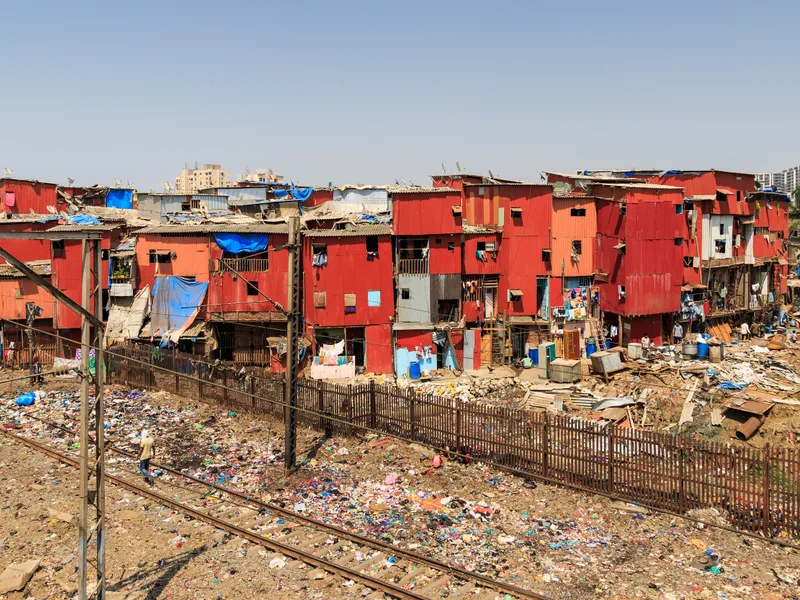 Small pocket
Garib Nagar
An informal settlement pressed against the tracks east of Bandra station. Prostitution and drug trade share the same lanes here — it is the single riskiest entry on this list for an outsider.
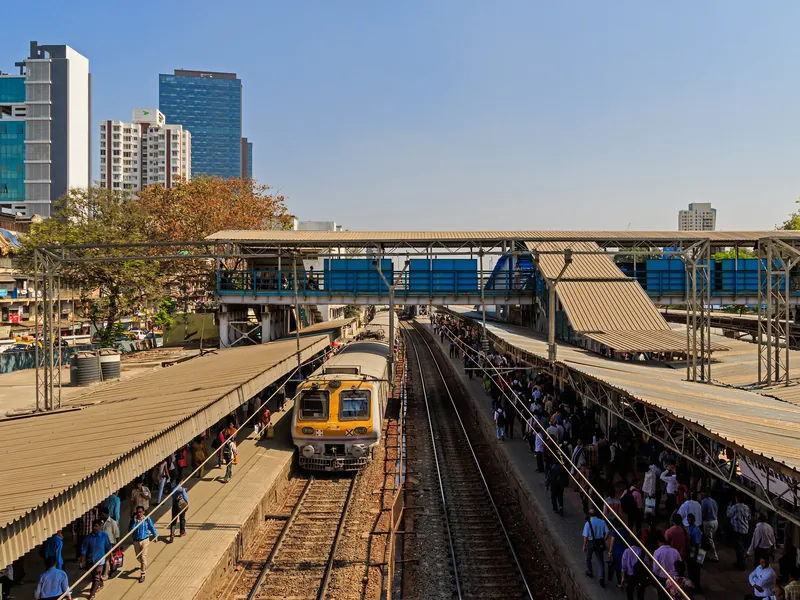 Small pocket
Dadar
Not a district — a handful of lodge pockets around the station's market chaos. Most "Dadar red light area" searches end at hotel touts, not lanes.
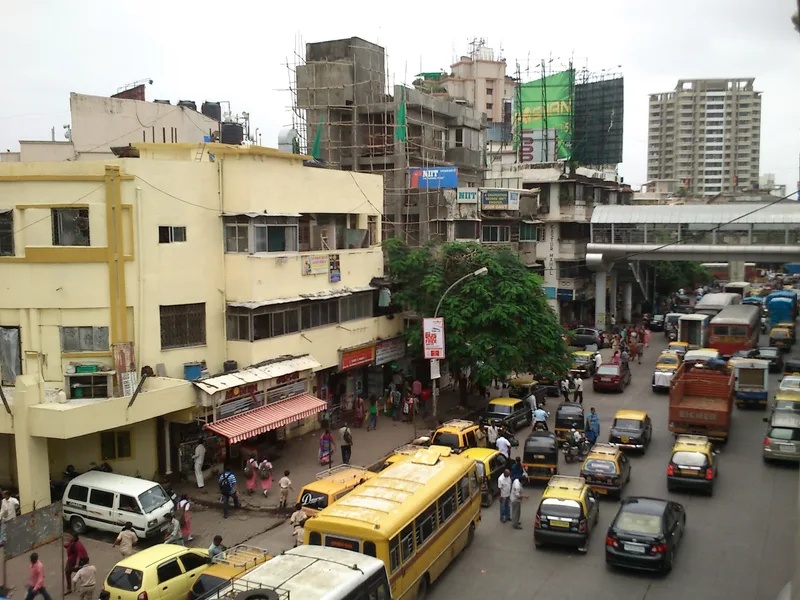 Small pocket
Sion Koliwada
A hidden pocket inside the old Koli fishing village. Purely local clientele; an outsider walking in is noticed within a minute.
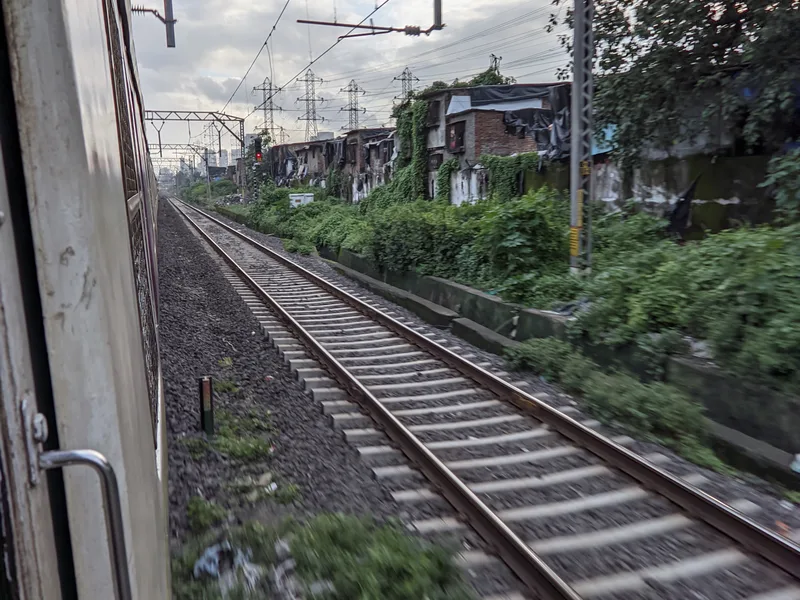 Small pocket
Kurla
Mumbai's busiest junction has small operations folded into its lodge economy on the west side. Transient, station-driven trade.
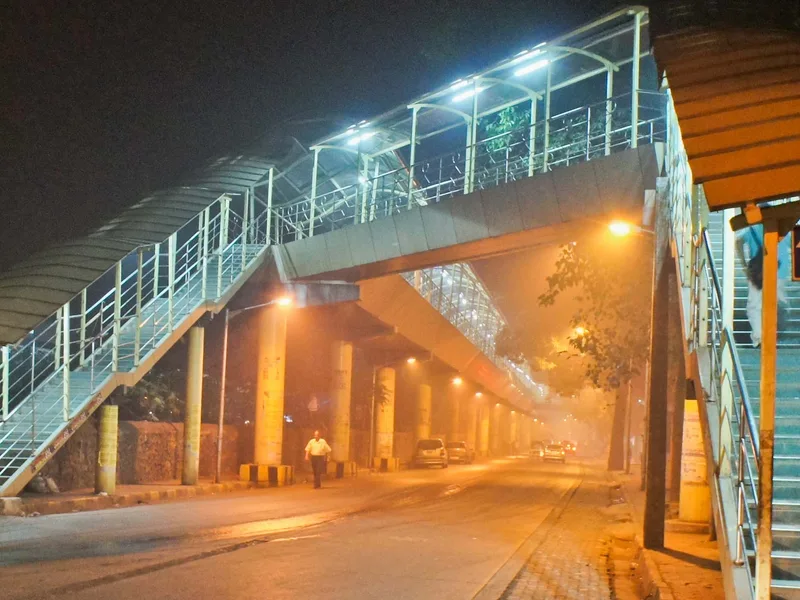 Shrinking
Ghatkopar
The east side's "prostitute lanes" held around 1,500 women at their 2010s peak — the biggest suburban count in the city. Redevelopment and policing have thinned it since, but it hasn't vanished.
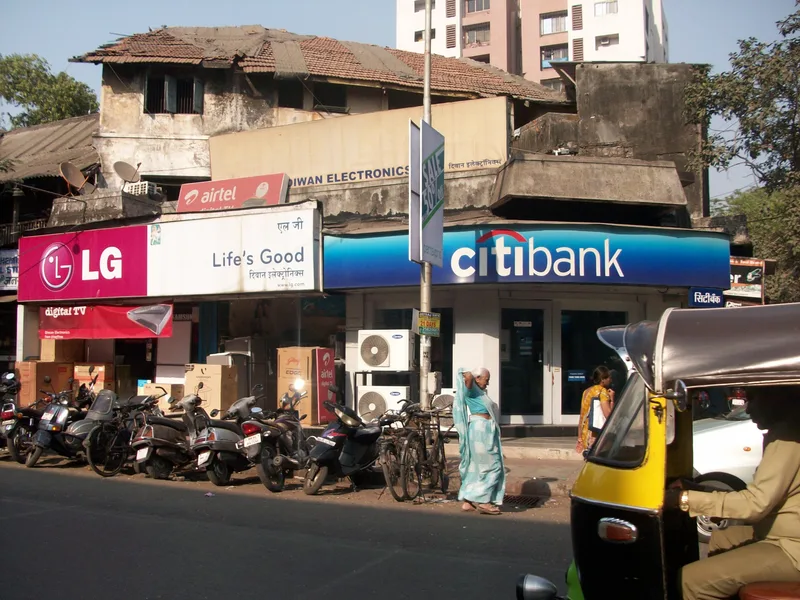 Shrinking
Mulund
Locals called it Mini Kamathipura — about 500 women at peak. The same story as its namesake, twenty years delayed: builders buy, lanes close, the trade scatters.
The extended belt — where the trade actually went
Here's the part every outdated guide misses: the centre of gravity left Mumbai city years ago. The 2005 dance-bar ban pushed the industry past the municipal limits, and policing pressure did the rest. These six zones carry more volume today than everything inside the city combined:
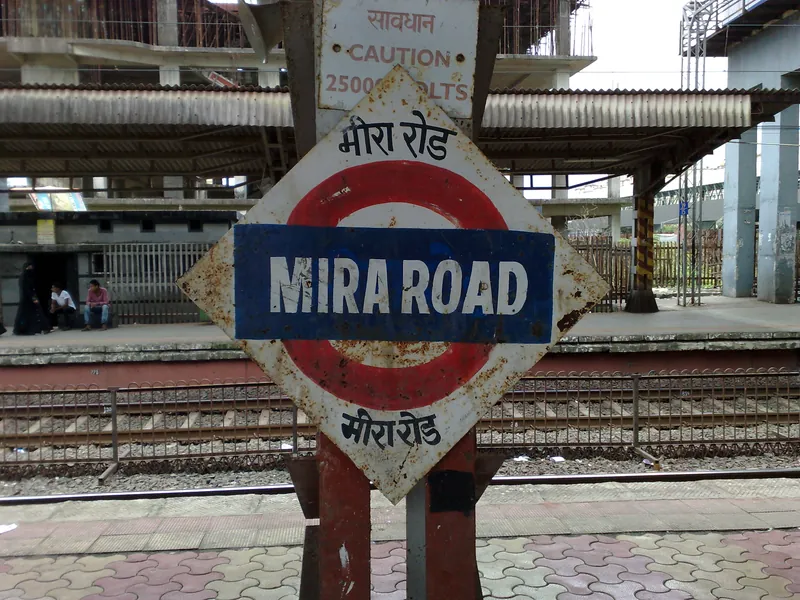 Shifted model
Mira Road
The new-age format was born here after the 2005 dance-bar ban pushed everything past the city limits. Spas that aren't spas, apartments running as unofficial brothels along the highway stretch. Raids happen; new doors open faster.
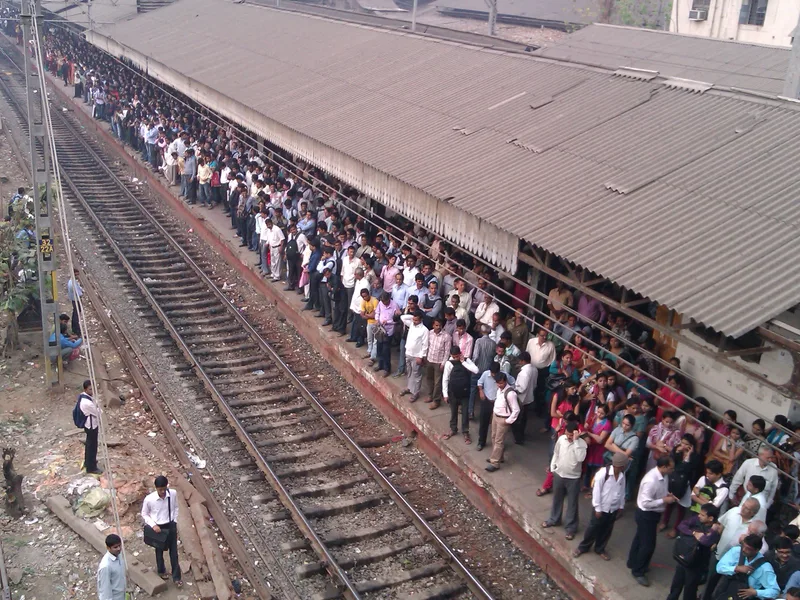 Active
Thane
Scattered rather than concentrated — highway-side lodges and parlour setups across the district. Thane city itself is mild; the volume sits in Bhiwandi and Ulhasnagar.
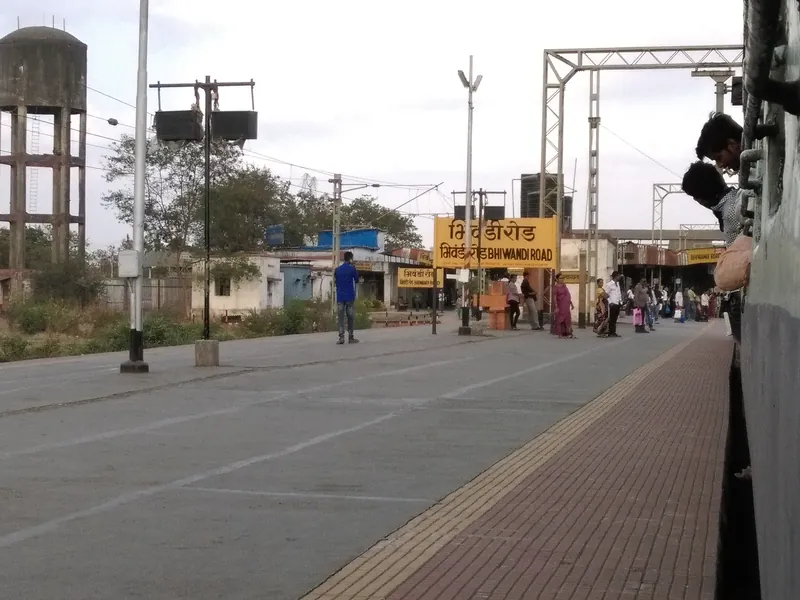 Active
Bhiwandi — Hanuman Tekdi
A truckers' hub on the Mumbai–Nashik corridor. Hanuman Tekdi serves the godown workforce — high volume, rock-bottom rates, and conditions that explain every warning in this article.
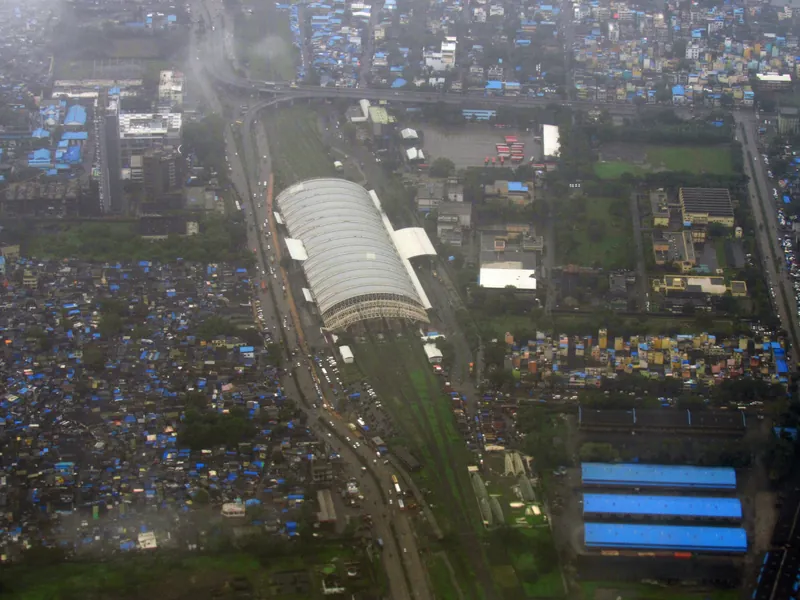 Active
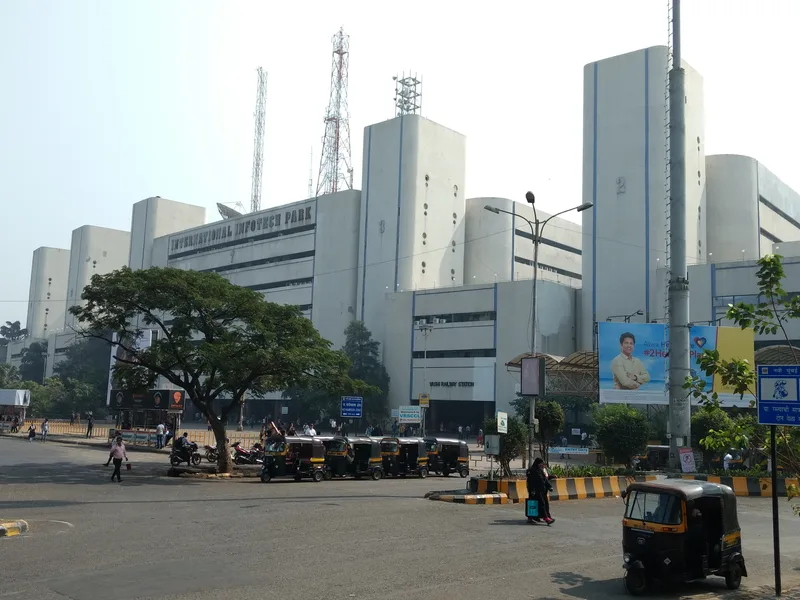
Turbhe — Turbhe Tekdi
Navi Mumbai's main zone, minutes from the station near the MIDC belt. The "affordability" that draws searches here is real — and so is the theft rate that comes with it.
 Small pocket
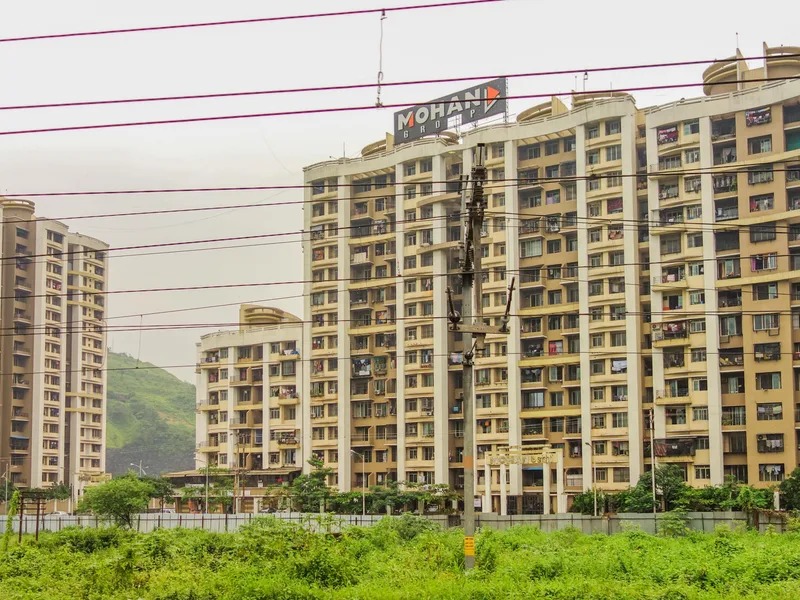
Vashi
Apartment-based and invisible from the street — sector blocks, not lanes. Everything runs on referrals and numbers that change monthly.
 Active
Ulhasnagar
The quiet successor. By activity, Thane district's biggest zone today — probably busier than everything left in South Mumbai combined. What Kamathipura was to 1990, Ulhasnagar is to now.
Area photos via Wikimedia Commons — A.Savin, Superfast1111, Udaykumar PR, Slaask, Pratishkhedekar, Saurabh Shetty, Dharmadhyaksha, Rehman Abubakr, Pradeep717. Licensed CC BY-SA / CC BY / FAL. Images show each area’s streets and stations, not the trade itself.
What it actually costs — and why cheap is the most expensive option
Ground reporting puts street and brothel rates between ₹200 and ₹2,000. That number explains everything about these areas — it's why trafficking exists, why health outcomes are catastrophic, and why the "affordability" that pulls searches toward Turbhe and Bhiwandi is a trap in slow motion. The advertised number is never the exit number: add the tout's cut, the room charge, the "extra" invented after the door closes, and the very real possibility of leaving with an empty wallet — or inside a police van.
Mumbai's market, ₹200 to ₹25,000+
Verified tier reflects the published Mumbai market — see the full rate card for every tier, openly listed.
The reality — what the numbers don't show
The honest version of this article can't stop at locations and rates. Most women in these lanes didn't choose them: investigations across three decades have documented debt bondage, trafficking from Nepal, Bangladesh, and rural Maharashtra, and girls sold into the trade before adulthood. Human Rights Watch once estimated more than half of Mumbai's sex workers carried HIV through the 1990s crisis years. The women who survived all of it are now being cleared out by redevelopment they will never be housed in — the unions are demanding SRA and MHADA rehabilitation, and as of this writing, no one has promised them anything.
Bambai sabko jagah deti hai, bas kaagaz sabko nahi deti. The city gave these women a lane; it never gave them a document. When the towers come up, forty acres of history will have no forwarding address.
Is any of this legal? The five-minute honest read
India's law on this — the Immoral Traffic (Prevention) Act, 1956 — is built on a contradiction: selling sex is not a crime, but almost every way it actually happens is. That's the loophole every raid drives through.
✓ Not illegal
- An adult selling sex independently, in private
- Walking through any of these neighbourhoods
- Journalism, photography from public streets (with care)
- NGO and outreach work
✗ Illegal
- Running or managing a brothel (ITPA §3)
- Living off a sex worker's earnings — pimping (§4)
- Soliciting in public places (§8)
- Trafficking, detaining, or any involvement of minors
Practical translation: a client inside a brothel during a raid is in a legal grey zone at best — detained, named, sometimes charged. The law's weight lands hardest on the women.
Honey traps and the five signs to walk away
The most common bad ending in these areas isn't what people fear — it's simple, choreographed theft. The pattern is decades old and it still works every night:
Why most of Mumbai quietly stopped going
Here's the shift nobody writes down: the men who used to fill these lanes moved on years ago — not out of virtue, but because a better model exists. Verified profiles with real photographs. One published rate instead of a door-side negotiation. Cash on arrival instead of a UPI trap. A hotel room instead of a raid-prone lane. That model is the entire reason Isabasu Mumbai operates the way it does as an agency — verified women, published rates, hotel outcalls, and zero of the five traps listed above. If you want the safer route, our Mumbai call girls page is where it starts. The lanes are history. The market isn't.
Sources
Every figure in this article traces to reporting you can read yourself:
- BehanBox — "Raids Meant To Scare Us Into Leaving" (Jul 18, 2025)
- ThePrint — Kamathipura redevelopment, sex workers left out
- Outlook India — "Kamathipura Redevelopment, But For Whom?"
- Business Standard — Kamathipura workers in lockdown (2020)
- Wikipedia — Kamathipura (history, 1795 origin, worker counts)
- Failed Architecture — "Behind Kamathipura's Closed Doors"
Frequently asked — Mumbai red light area questions
How many red light areas are there in Mumbai?
Around 20 across three rings: the historic South Mumbai core (Kamathipura, Falkland Road, Grant Road, Shuklaji Street, Foras Road, Congress House), suburban pockets (Andheri, Ghatkopar, Malad, Mulund, Kurla, Dadar, Sion Koliwada, Garib Nagar), and the extended belt (Mira Road, Thane, Bhiwandi, Turbhe, Vashi, Ulhasnagar).
Is Kamathipura still open in 2026?
Mostly shut. Mumbai Police sealed brothels in the Dinesh and Rele buildings during the June 20, 2025 raids and sent 44 women to a Deonar shelter. Most lanes have been quiet since. A local survey counts roughly 1,200 working women left, down from 45,000 in 1992. Redevelopment is clearing the rest.
Which is the nearest red light area to me in Mumbai?
Depends on your zone. South Mumbai — the Grant Road belt. Western suburbs — Malad or Mira Road. Eastern suburbs — Ghatkopar or Kurla. Navi Mumbai — Turbhe, near the station. Thane district — Bhiwandi or Ulhasnagar. Each section above gives the exact location anchor and nearest railway station.
Which railway station is closest to Kamathipura?
Grant Road station on the Western line. Take the east exit and walk toward Bellasis Road — the lanes begin within 5–10 minutes. Mumbai Central is the second option, about 15 minutes on foot via Belasis Bridge. The area pincode is 400008.
What are the rates in Mumbai's red light areas?
Street and brothel rates reported by ground investigations run ₹200–₹2,000 — and that number is the bait, not the bill. Theft, extortion and health risk are the real price. The verified market in Mumbai proper starts near ₹5,000; our full rate card breaks down every tier openly.
Is prostitution legal in India?
Selling sex independently as an adult is not a crime under the Immoral Traffic (Prevention) Act, 1956. Almost everything around it is: running a brothel, pimping, soliciting in public, trafficking. That legal gap is why police can raid brothels and why clients inside one during a raid have a problem.
Is Kamathipura safe to visit, and what are the timings?
Walking through Kamathipura in daylight is generally uneventful — it functions as a normal working neighbourhood with a cloth market, active roughly 10am onward. After dark the calculus changes: pickpocketing, honey traps, spiked pricing and the possibility of landing inside a police raid. There is no fixed Kamathipura timing for the trade, and since the June 2025 raids most of it is shut anyway. If you go, go with nothing valuable and zero cash flash.
Which is the biggest red light area in Mumbai now?
By historical footprint, Kamathipura — 14 lanes across roughly 40 acres. By actual activity in 2026, the crown has moved to the extended belt: Ulhasnagar and Bhiwandi in Thane district see more volume than the sealed South Mumbai lanes. The centre of gravity left the island city years ago.
Mumbai ka sabse purana red light area kaunsa hai?
Kamathipura — 1795 se. Angrezon ke zamane mein isse Lal Bazar bulaya jaata tha. Telugu kaamgaar (Kamathis) ne yeh basti banayi thi, aur naam wahi reh gaya. Asia ke sabse purane red light districts mein gina jaata hai — 230 saal ka itihaas.
What happened in the June 2025 Kamathipura raids?
On June 20, 2025, Mumbai Police raided brothels and "rescued" 44 women, sending them to Navjeevan Sudhar Grih in Deonar. Brothels in the Dinesh and Rele buildings were sealed. Activists say nearly 3,000 workers were affected, and around 500 women protested at Azad Maidan on July 16 — they allege the raids exist to clear the area for redevelopment.
Which is the oldest red light area in India?
Kamathipura, Mumbai — established around 1795, which makes it older than the "1880s" figure most websites repeat. It began as a settlement of Telugu construction workers and became the British garrison's regulated "Lal Bazar." Over two centuries later, it is disappearing into redevelopment.
What is the safer alternative to red light areas in Mumbai?
The verified-agency model: profiles verified in person, one published rate, cash on arrival, no advance payment, hotel or home outcall instead of a raid-prone lane. That model is why most Mumbai men quietly stopped visiting these areas years ago. Our verified Mumbai call girls page at /mumbai-call-girls runs exactly that way.
Skip the lanes. Browse verified Mumbai profiles.
Every profile personally verified. Published rates. Cash on arrival — no advance, ever. Hotel and home outcalls across all of Mumbai. This is what replaced the red light areas, and it's better in every measurable way.
Two hundred and thirty years of lanes, and the whole market moved to a phone screen in ten. That's Mumbai — it never announces the change, it just changes.